
NEC 680 bonding
Equipotential bonding grids, rebar ties, and perimeter surfaces—the code that keeps swimmers from becoming the path to ground.
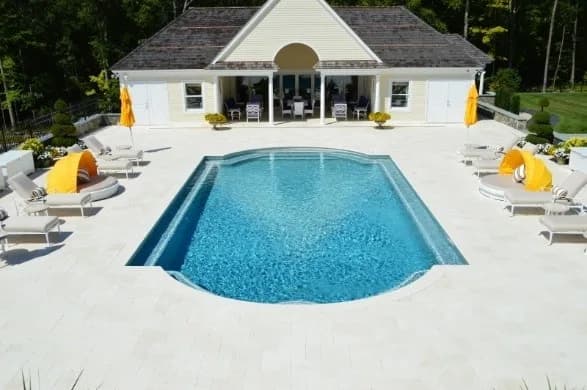
Bonding is the single most important electrical detail on a pool, and it is the thing most often done wrong. The idea is that every conductive surface within five feet of the water — rebar, rails, pump housings, ladder anchors, and the water itself — has to be tied to the same electrical potential. When they all sit at the same potential, current has no reason to travel through a swimmer to find ground.
Bad bonding doesn't show up at inspection. It shows up in ten years, when a pump housing corrodes, a bond wire parts, and somebody feels a tingle in the water. That's why we treat bonding as its own line item on every job.
On new pools, we tie the bonding grid to the rebar before the concrete goes down and we document what we did. On retrofits, we trace the existing bonding with a megger and an AC voltmeter and we tell you what's missing. Fixing bad bonding on an existing pool is often less expensive than people expect, and it is always cheaper than the alternative.
Often booked together.
Residential pool electrical
New construction and retrofit wiring for inground and above-ground pools—subpanels, GFCI, equipment-pad runs, and final inspections.
02Spa & hot-tub wiring
Dedicated 50–60A circuits, GFCI disconnects, and code-compliant bonding for portable, built-in, and swim-spa installs.
03Commercial pool electrical
HOA, hotel, condo, and municipal pools. Equipment-room upgrades, variable-speed pump wiring, and motor control centers.
Pick up the phone. That’s how this works.
Estimates are free. Paul usually answers, and if he can’t, he calls back the same day. We book one to three weeks out for residential work; commercial timelines vary.
(860) 827-8504